Your shopping cart doesn't have any products yet!
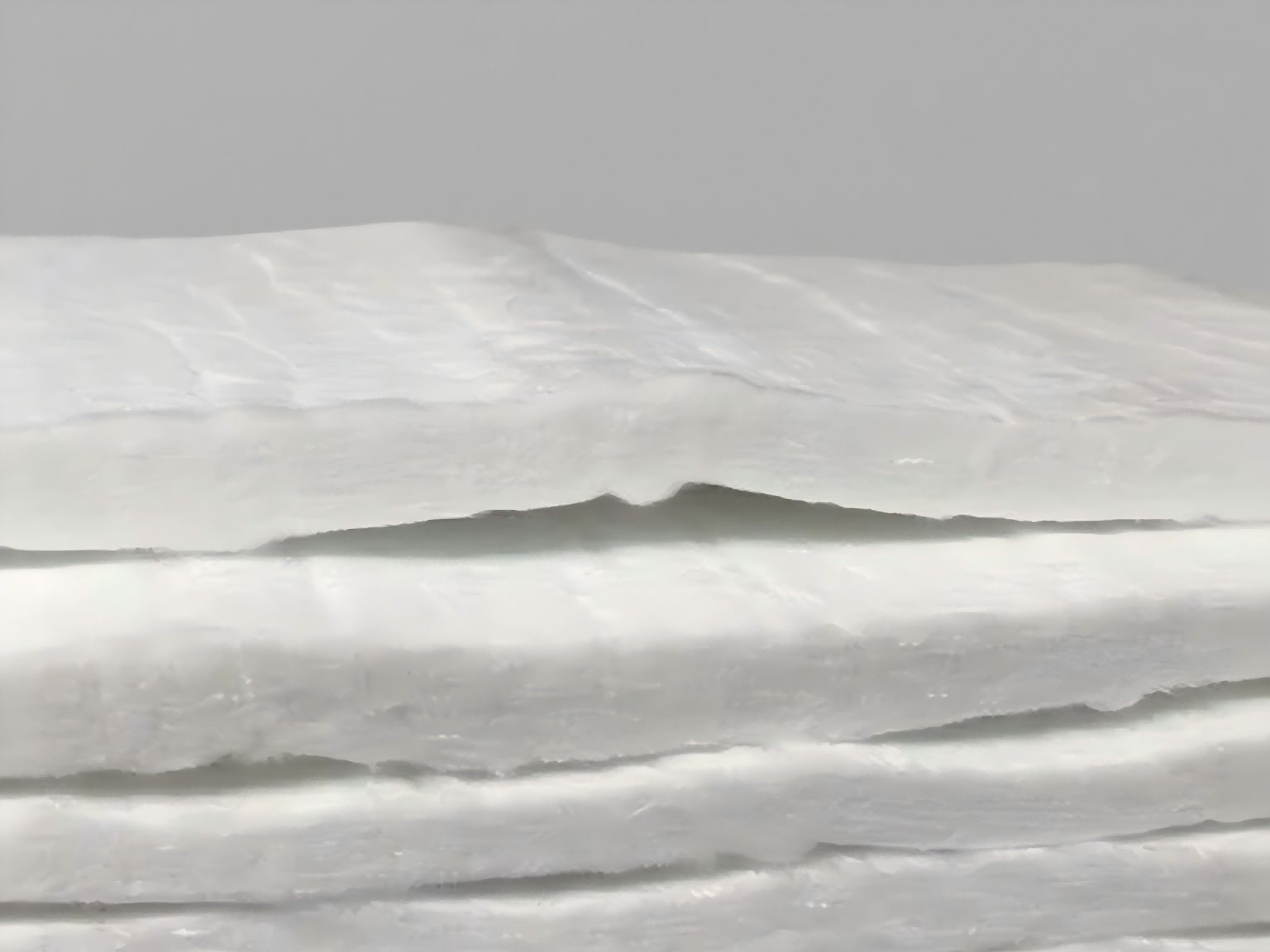
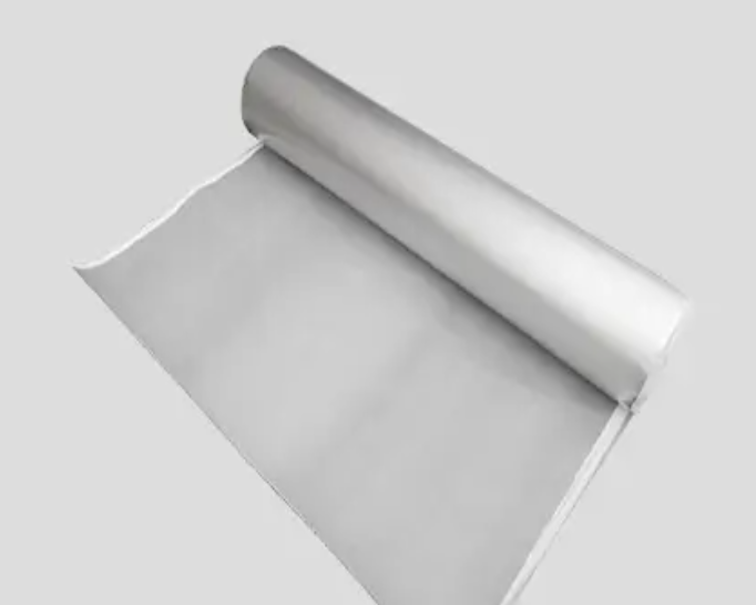
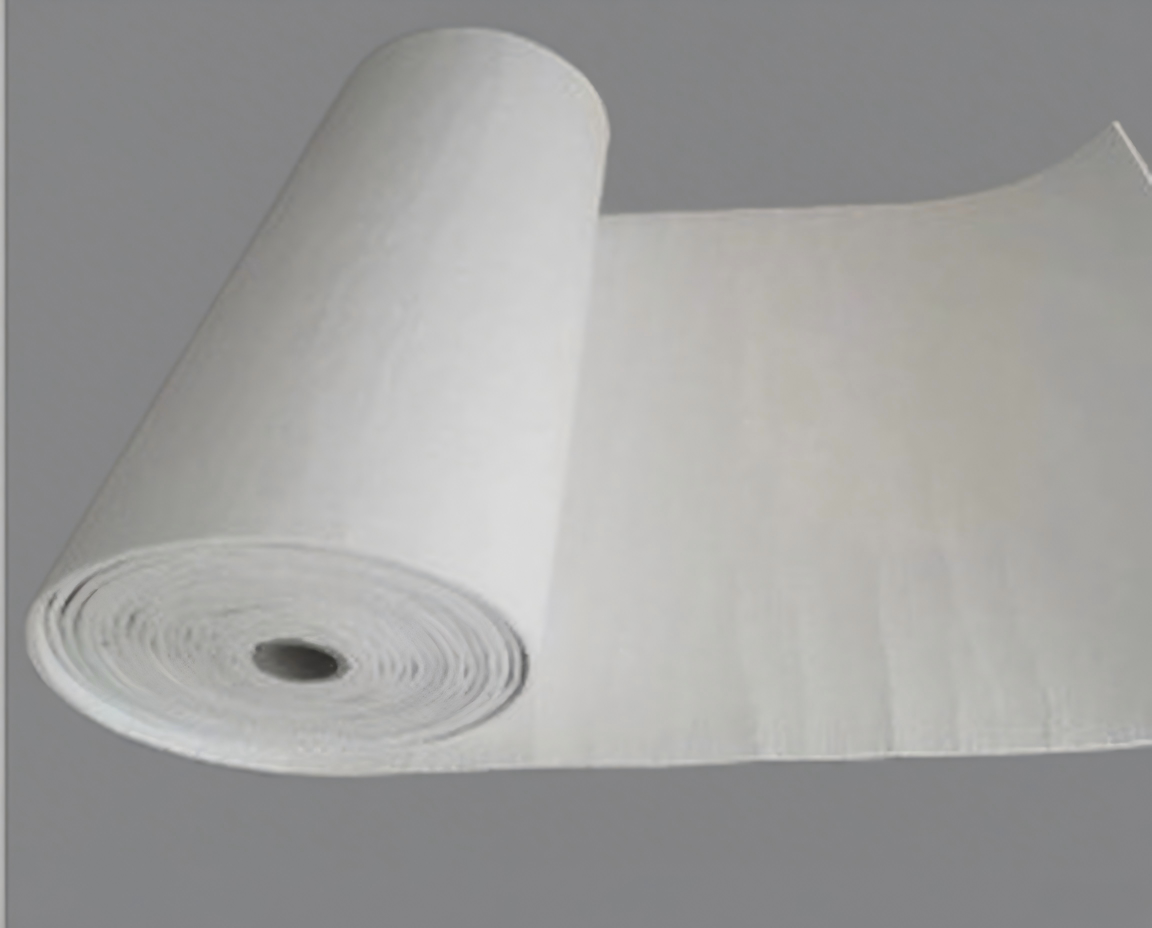
Glass fiber aerogel felt
Flexible or rigid inorganic fiber-reinforced aerogel materials can be customized to meet specific needs. These materials are used for thermal insulation and fire retardancy in new energy commercial vehicles, energy conservation and corrosion protection in oil pipelines, insulation in heating pipelines, fire prevention and insulation for building exteriors, as well as for high-temperature pipelines and equipment in thermal power fields, and cold protection for pipelines and equipment in deep fields such as LNG.
In the petrochemical industry, glass fiber aerogel felt has emerged as a promising thermal insulation material due to its outstanding thermal performance. Research from the China Petroleum Pipeline Science and Technology Research Center indicates that using glass fiber aerogel felt in pipelines offers significant advantages over traditional insulation materials.
For instance, in heavy oil high-temperature steam injection mining pipelines and medium-temperature pipelines in refining and chemical plants, where temperatures range from 200°C to 600°C, glass fiber aerogel felt effectively reduces the thickness of the external insulation layer. Its high hydrophobicity and neutral pH prevent corrosion, thereby extending the service life and lowering maintenance costs.
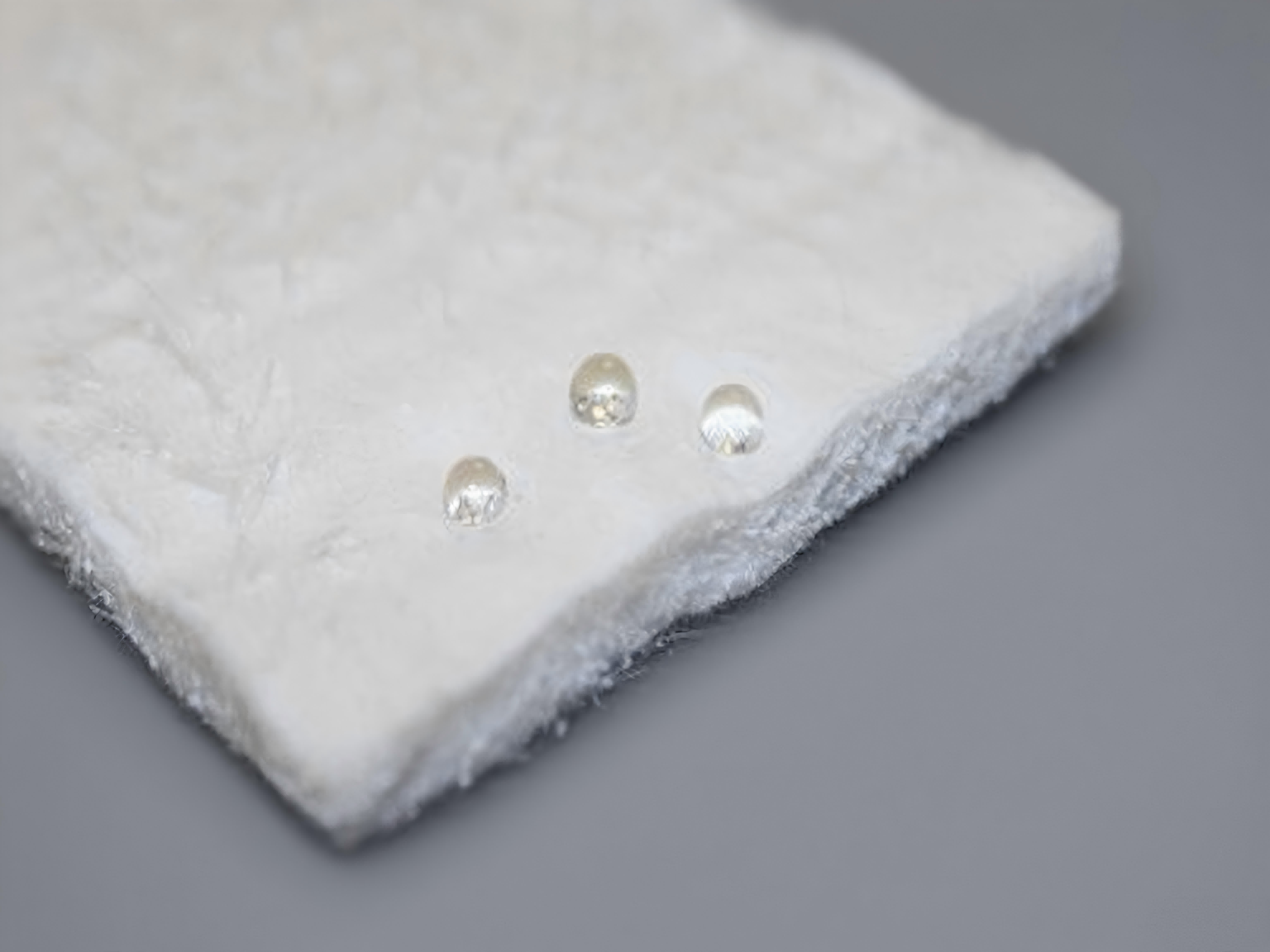
Additionally, the hydrophobic properties of aerogel help keep the insulation layer waterproof and prevent condensation caused by temperature differences. To achieve the same level of insulation, aerogel material is much thinner (only 1/3 the thickness of rock wool and 1/5 the thickness of expanded perlite). This leads to improved pipeline distribution, reduced earthwork, shorter construction time, and lower overall costs.
Moreover, glass fiber aerogel felt is lightweight, flexible, and durable, making it easy to cut into specific sizes and install directly onto pipelines. Compared to traditional insulation materials, construction efficiency is increased by more than 30%.
With its excellent performance in many areas, glass fiber aerogel felt is widely used for insulation in heavy oil recovery steam pipelines, petroleum refining pipelines, oil field steam injection boilers, distillation towers, reaction pipelines, storage tanks, pumps, valves, natural gas and LNG pipelines, and deep-sea pipelines. Major petrochemical companies such as ExxonMobil, Shell, Chevron, PetroChina, and Huachang Chemical have adopted glass fiber aerogel felt as their primary insulation material in large-scale refinery operations.
| Thickness | 3 mm 5 mm | 6 mm 10 mm | ||
| Width | 1500(-3,+15) mm (Can be customized) | |||
| Colour | Cmyk 0-20 was satisfied | |||
Maximum operating temperature | 600℃ | |||
| Density | 200 ± 20kg/m3 | |||
Thermal conductivity coefficient | 25℃ ≤ 0.020W/m-K | GB/T10295-2008 | ||
| 200℃ ≤ 0.027W/m-K | GB/T10294-2008 | |||
| 300℃ ≤ 0.035W/m ·K | ||||
| 500C ≤ 0.080W/m ·K | ||||
| Grade of combustion | A1 | GB/T8624-2012 | ||
| V0 | UL94-2013 | |||
| Hydrophobic ratio | ≥ 98% | GB/T10299-2011 | ||
| Asbestos | Asbestos free | SO22262-1 | ||
| RoHS | Compliance with the EU RoHS Directive limit requirements | 2011/65/EU Amendment to Annex Il Directive (EU)2015/863 | ||
| REACH | SVHC test results of 211 substances of high concern ≤0.1%(w/w) | Eu REACH Regulation 1907/2006 | ||
| ELV | Meet the requirements of banned substances in automobiles | GB/T30512-2014 | ||
| Tensile strength | 800 KPa | GB/T17911-2006 | ||
| Performance of compression | 10%,20 KPa 25%,120 KPa | GB/T13480-2014 | ||
| Field of Application | Heat insulation and flame retardant of new energy commercial vehicles, energy conservation and corrosion protection of oil pipelines, energy conservation and insulation of heating pipelines, heat insulation and fire prevention of building external walls, heat insulation and insulation of high temperature pipelines and equipment in the field of thermal electricity, cold insulation of LNG and other deep fields of pipelines and equipment | |||