Your shopping cart doesn't have any products yet!
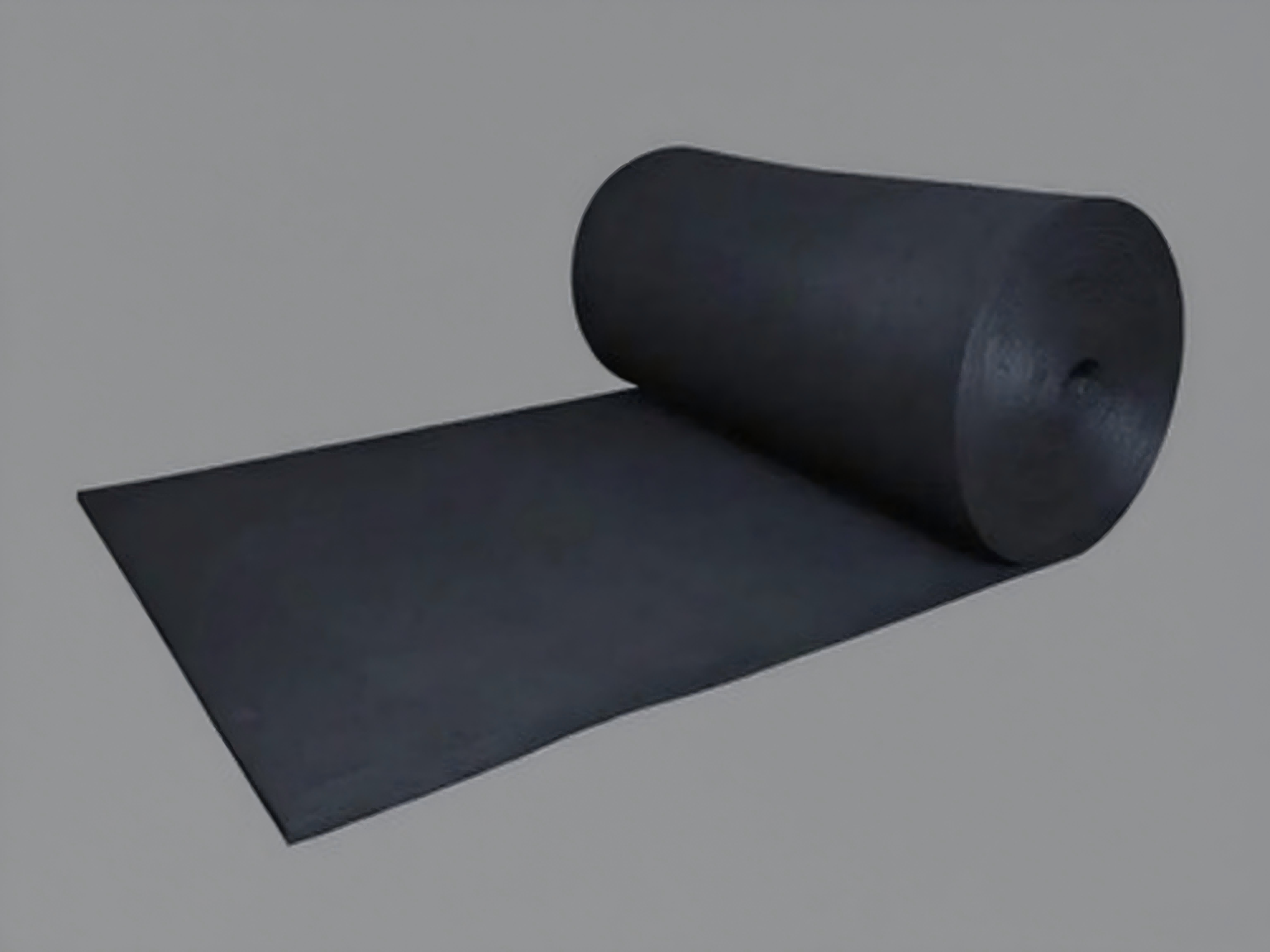
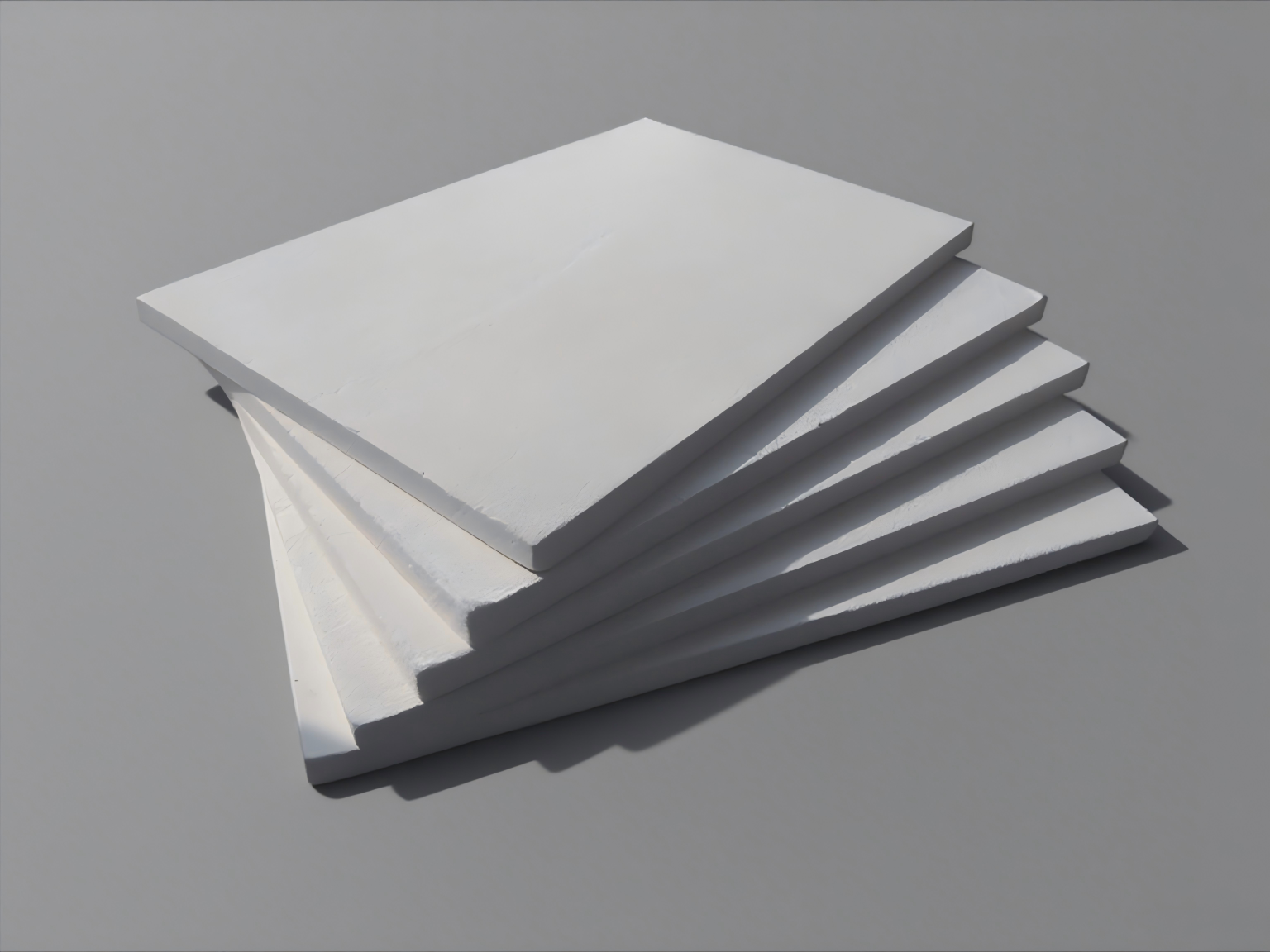
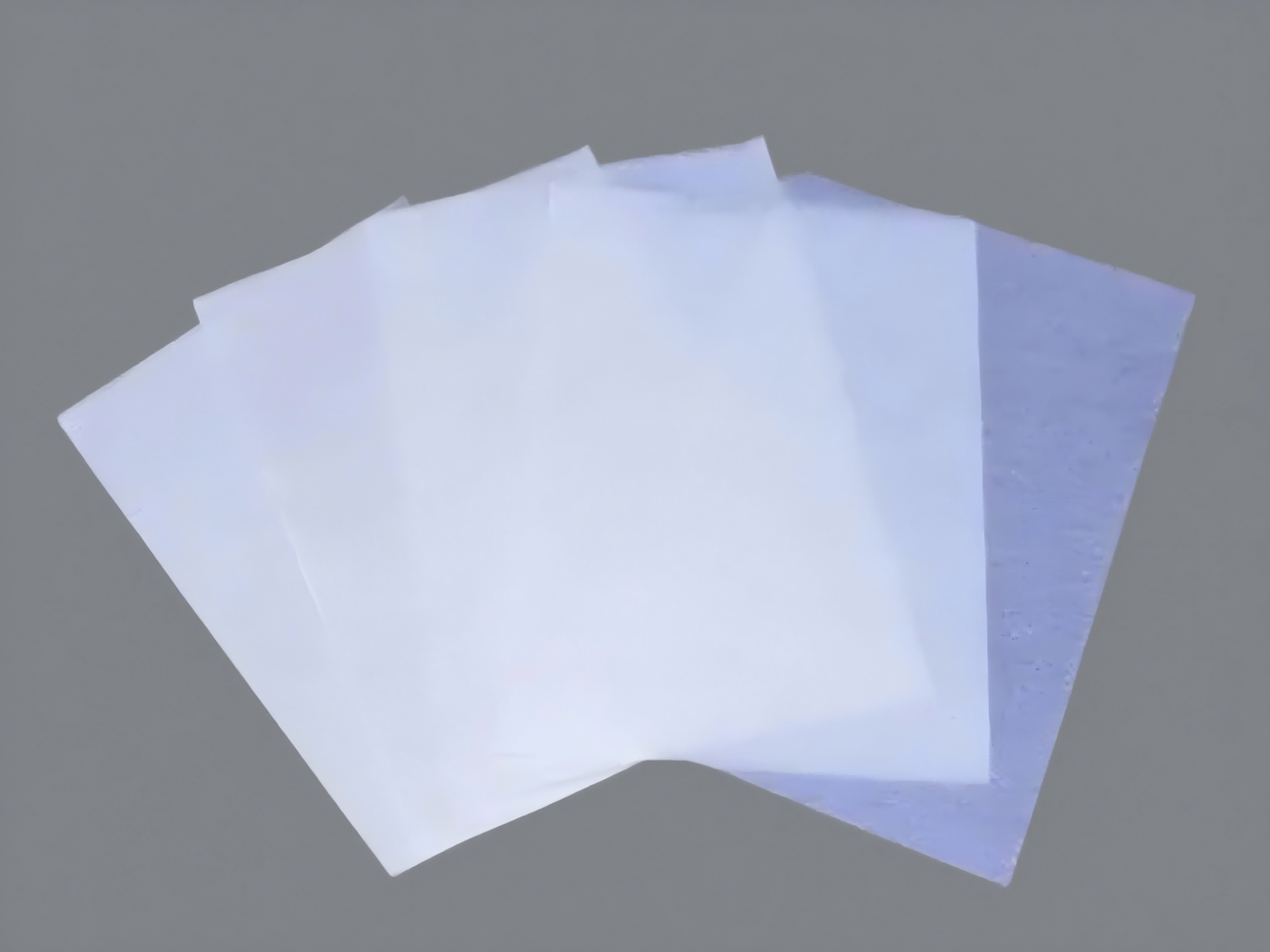
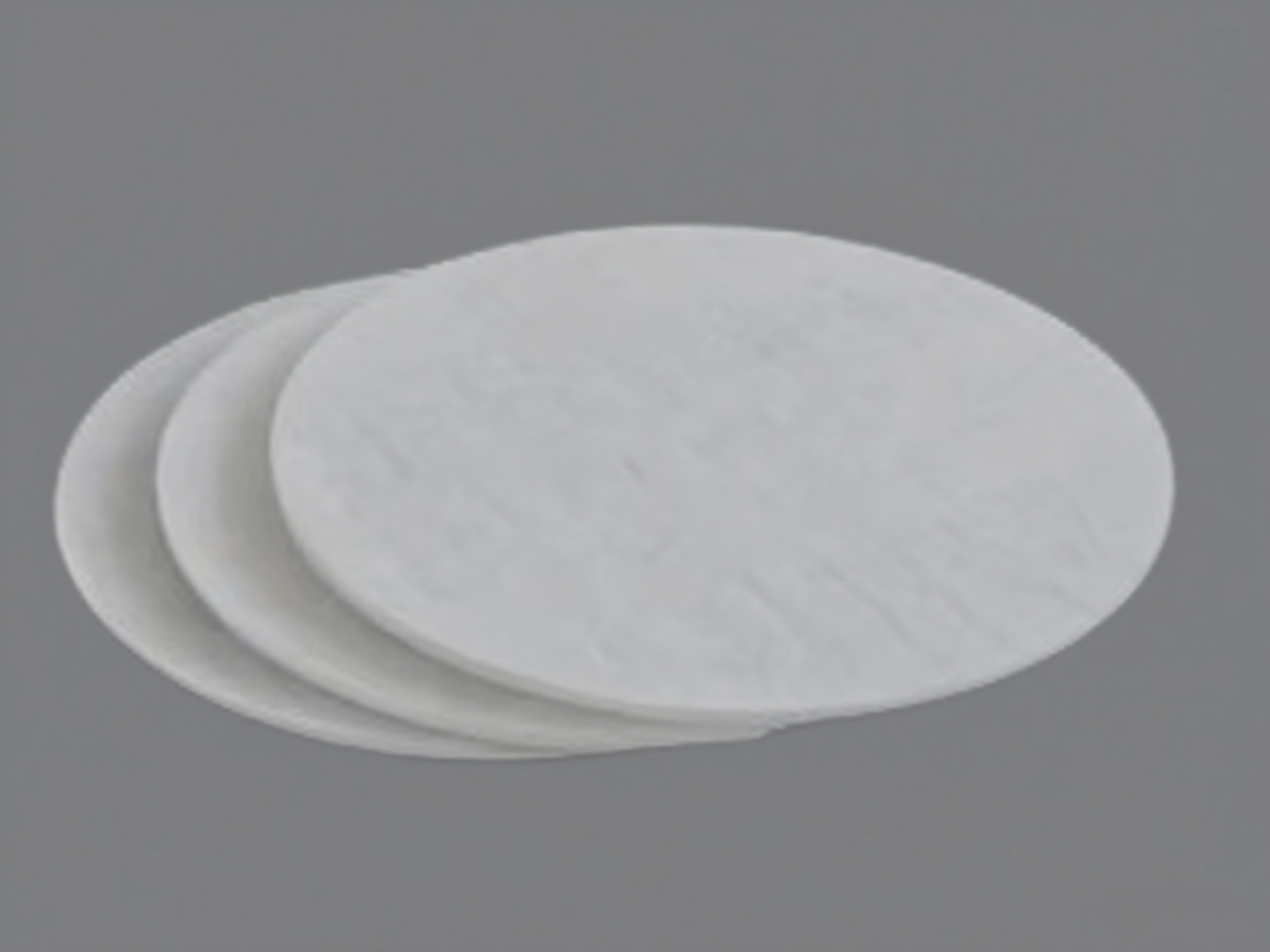
Preoxygenated silk aerogel insulation felt/sheet
Preoxidized fiber, the primary raw material for carbon fiber, has a low strength of less than 300 MPa and almost no conductivity, making it mainly used for insulation purposes. It also features flame retardant, water-repellent, and anti-melting properties, effectively forming a flame retardant barrier. The preoxidized fiber aerogel felt developed by Pansharp combines the superior qualities of both materials. Compared to traditional aerogel felt, it offers significant advantages in volume, mechanical properties, and thermal insulation performance at the same density, with thermal conductivity as low as 0.023 W/m·K. It is characterized by excellent flexibility, high tensile strength, and precise thickness. This makes it widely used in the thermal management of new energy vehicles, including insulation between battery modules, thermal protection for batteries, and overall insulation for the vehicle body and battery casing.
Currently, the aerogel insulation pad developed and produced by Pansharp has been successfully applied to popular new energy vehicle series by leading battery manufacturers.
The aerogel insulation sheet is designed with a glue layer that covers the entire external surface of the aerogel layer, securing the powder on the aerogel surface. This effectively solves the issue of powder shedding from the aerogel material and prevents contamination or damage to automotive products. The aerogel insulation sheet is ideal for heat insulation, flame retardancy, and cushioning between the electric core and modules in new energy passenger vehicles, offering thermal runaway protection. It is also used for the heat insulation of 3C products.
| Model number of products | AG-P350 | ||
| Thickness | 0.5~6 mm (Can be customized) | ||
| Wide width | 100~200 mm (Can be customized) | ||
| Color | CMYK ≥ 40 was satisfied | ||
| Maximum operating temperature | 350℃ | ||
| Density of density | 180 ± 20kg/m³ | ||
| Coefficient of thermal conductivity | 25℃ ≤ 0.035 W/m ·K | GB/T 10295-2008 | |
| 100℃ ≤ 0.035 W/m-K | GB/T 10294-2008 | ||
| Grade of combustion | A2 | GB/T 8624-2012 | |
| VO | UL94-2013 | ||
| Rate of hydrophobicity | >98% | GB/T 10299-2011 | |
| Asbestos | Asbestos free | SO22262-1 | |
| ROHS | Compliance with the EU RoHS Directive limit requirements | 2011/65/EU Amendment to Annex Il Directive (EU)2015/863 | |
| REACH | SVHC test results of 211 substances of high concern | Eu REACH Regulation 1907/2006 | |
| s0.1% (w/w) | |||
| ELV | Meet the requirements of banned substances in automobiles | GB/T 30512-2014 | |
| Heat insulation temperature | 2mm: Min ≥ 360℃ | ||
| Field of Application | Heat insulation, flame retardant and buffer between the electric core and module of the new energy passenger car play a role in thermal runaway protection; 3C electronic products insulation, etc | ||